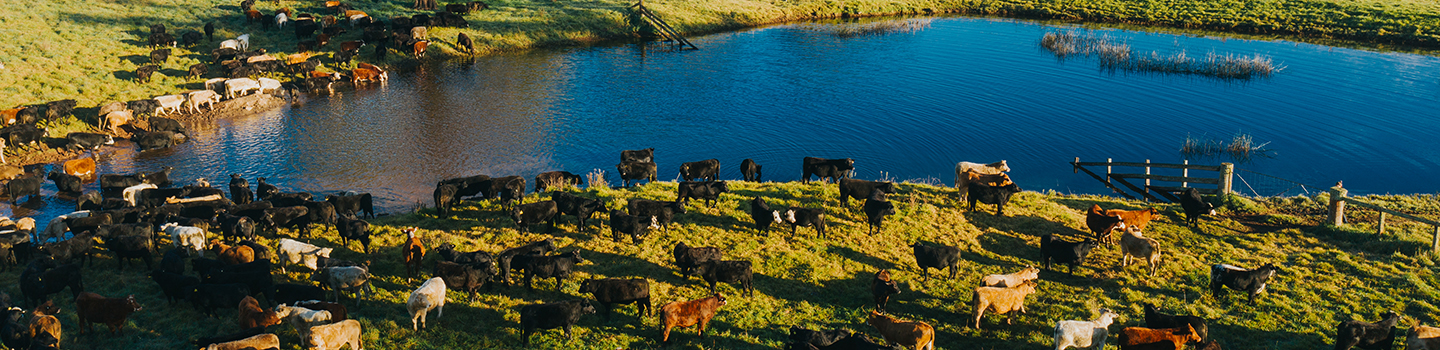
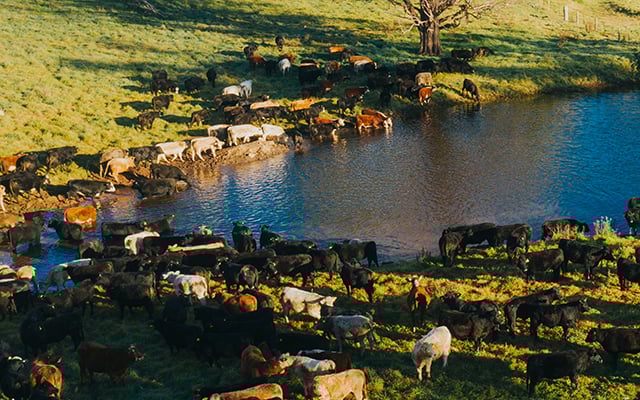
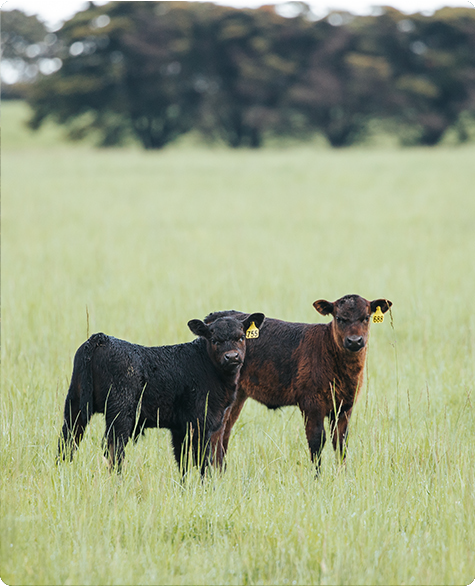
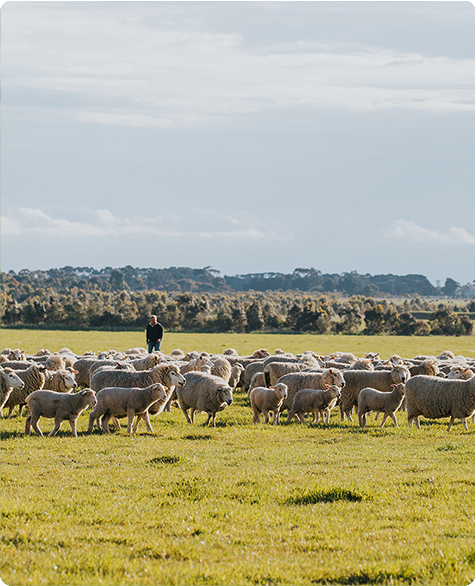
Good animal wellbeing practices also positively impact meat quality. By placing an emphasis on keeping animals stress-free, Australia’s world-leading eating-quality program delivers the highest quality from paddock to plate.
A key purchase driver for red meat consumers is the quality of the meat they eat. For beef, some of the main factors affecting eating quality include maturity, fat coverage, marbling and pH levels. Eating quality can also be influenced by factors such as the health of the animal, their diet and how they’re handled.
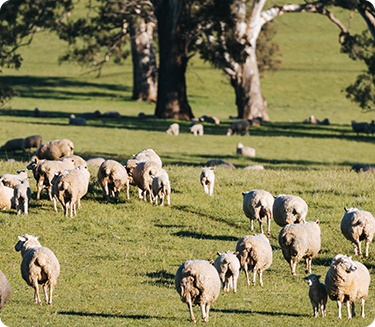
The Australian red meat industry adheres to strict guidelines that ensure livestock are raised with proper nutrition, good mustering and transportation practices, and a minimum of stress. It’s an approach farmers like Ryan Willing embrace whole-heartedly:
How is meat quality maintained in Australia?
Australian beef and lamb producers are committed to producing superior eating quality meat. Australia’s meat eating quality grading system, Meat Standards Australia, developed over 25 years ago has demonstrated how on farm improvements in genetics, nutrition, management and good animal wellbeing improves the eating quality of red meat. What’s good for the animal, is good for the farmer in producing high quality livestock, and good for the consumer through consistent beef and lamb eating quality.
MSA-trained graders measure and collate information, including maturity, colour, pH, acidity, marbling and fat distribution to determine the eating quality of each cut of meat. Over the past decade, the Meat Standards Australia average grade index of Australian beef has increased from 56% to 58%, indicating an overall improvement in eating quality. (Source)
What is ethical meat?
Ethical meat is good meat. It’s meat that comes from animals that have been raised with their wellbeing as a priority throughout their lives. That means animals have:
been given appropriate pain relief when surgical husbandry has been performed
been treated humanely at all times.
The Australian red meat industry is absolutely committed to producing ethical meat, recognising that consumers rightly see ethically-produced meat as being an important indicator of meat quality.
For Charlie Arnott, who describes his approach to farming and meat production as 'grass-growing' to provide his animals with a smorgasbord of food, the key to delivering consumer confidence in the quality of red meat and the ethical approach to its production lies in being completely honest and transparent:
Did you know?
For beef, an important element contributing to eating quality is the management of cattle on farm or in the feedlot prior to slaughter. Stress can cause changes in muscle glycogen (blood sugar) levels, which can result in a lower-quality product. (Source)
3.8 million cattle were MSA graded in Australia in 2019-2020, representing 46% of the national adult cattle slaughter, and 4.3 million sheep were MSA graded, representing 22% of the national lamb slaughter. (Source)
Australian Good Meat sponsors an ‘Eat Easy’ award recognising red meat that has been produced in a sustainable and ethical way. (Source)